God’s Providence in Rome’s Emperors

The Christian condition worsened as Roman emperors escalated their persecutions. History remembered Nero and Domitian unfavorably as bloodthirsty tyrants, but their persecutions were dwarfed by Diocletian. For the first time in Roman history, he launched an empire-wide, proactive campaign to smite every Christian and run the religion into the ground. However, in some respects, the … More God’s Providence in Rome’s Emperors

A Defense For Catiline

Cicero was the most renowned orator in Rome. When Catiline launched a conspiracy to overthrow the Roman government, Cicero attacked him vehemently. His first speech against Catiline was before the Roman Senate in the Temple of Jupiter. It became one of his most famous orations, forcing Catiline to flee Rome. Dr. Gary North asked the … More A Defense For Catiline

Conflicting Religions: The Difference Between Christianity and Greek Religion

Rome inherited the Greek’s polytheistic religion, but in the first century AD, a new religion emerged. Christianity took the world by storm. Eventually, it made the ancient Greek religion obsolete. Nero, Titus, and Domitian were a few of the emperors who persecuted the Christian Church because it undermined their gods. Eventually, Rome, Christianity’s biggest persecutor, … More Conflicting Religions: The Difference Between Christianity and Greek Religion

Man’s Unique Good According to Seneca

The Roman philosopher Seneca was often considered Nero’s leash. The psychotic and blood-thirsty maniac emperor was most reasonable in the first five years of his reign when Seneca’s influence as an advisor permeated Nero. As the Roman monarch lost his mind, Seneca distanced himself more. But while we mostly remember the Stoic philosopher because of … More Man’s Unique Good According to Seneca

Julio-Claudian and Flavian Dynasties

Rome peaked after Augustus idealized a proven method for emperors to maintain power. The Julio-Claudian and Flavian dynasties contained some of the most notorious, insane, delusional, and erratic emperors in history. This essay seeks to answer whether all were the same or how they differentiated their lunacy. Octavian was very strategic in maintaining a colossal … More Julio-Claudian and Flavian Dynasties

Orestia Trilogy

The Orestia Trilogy is a story about the death, curses, and misfortune haunting one family. Over time, it became a classic Greek play because of its poetry and tragic quality. This essay is about the final play in the trilogy and will answer whether the outcome was just. It will also compare how future hope … More Orestia Trilogy

Octavian: The Man Who Killed Rome’s Republic

Octavian was Julius Caesar’s grand-nephew and heir. Through a series of tactful alliances—first with the Senate as a pro-republic ally of Cicero opposed to Antony, then an ally of Antony and Lepidus through the second triumvirate —Octavian became the dictator after Julius Caesar. He even marched against Bruttus and Cassius, his grand-uncle’s murderers, until they … More Octavian: The Man Who Killed Rome’s Republic

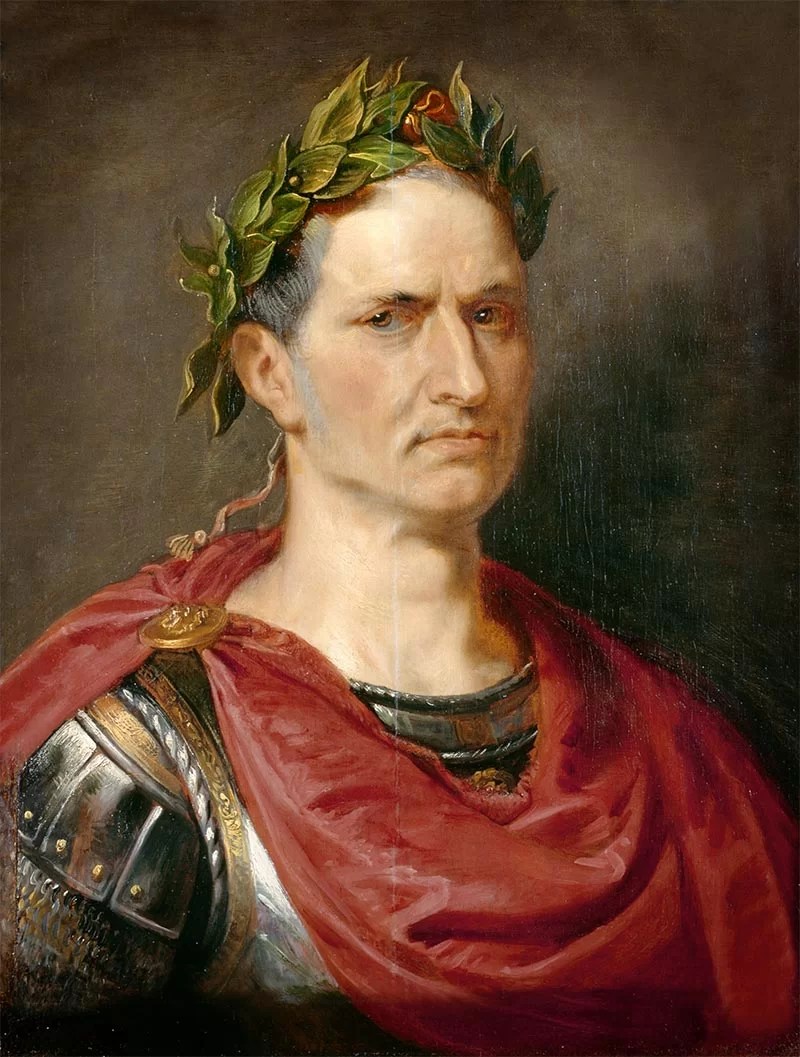
How Julius Caesar Sequestered and Consolidated Power in Rome

Julius Caesar became the most powerful man in the world, but his journey to success was long and bloody. After the death of Sulla—a Roman commander who later became consul and restored strength to the republic’s political traditions—Rome fell under disarray. Everyone who was anyone put their hat in the ring to compete for power. … More How Julius Caesar Sequestered and Consolidated Power in Rome