-
Continue reading →: Neoclassical and Romantic Eras
Asher K. Sisneros Thomas E. Woods, Jr. Western Civilization Since 1493 December 23, 2024 The Neoclassical and Romantic eras were two distinct, contrasting artistic periods that covered literature, poetry, music, and architecture. “Noble simplicity” encapsulates the attitude of the Neoclassical era. Rather than embrace the grandeur of the Baroque period,…
-
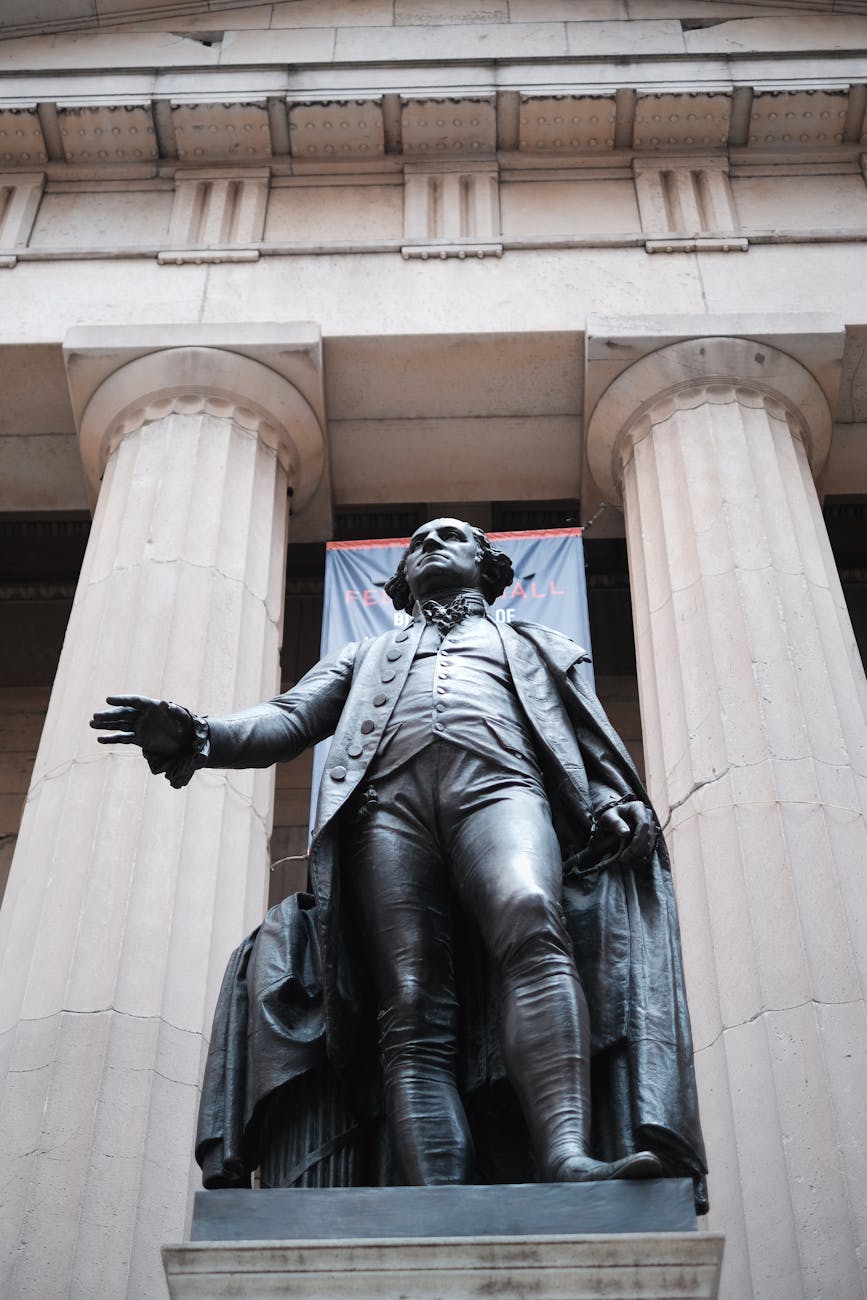 Continue reading →: Life of Washington: Humorous Embellishment
Upon Washington’s death, interest in his private life—and the man behind the public image—only increased, and Weems answered that demand by writing “Life of Washington.” It immediately became an instant success and retained popularity. Through the 19th century, it was among the most popular books in America, and many of…
-
Continue reading →: What is Classical Liberalism?
What is classical liberalism? Although associated with laissez-faire economics and skepticism towards government-run welfare programs, that is not the historic classical liberalism of Benjamin Constant and Frederic Bastiat. True, classical liberals believe in the free-market economy, disdain central banking, wish to limit taxes and governmental regulations, and advocate for peace…
-
Continue reading →: My Ticket to Wealth, Fame, and Prestige
Asher K. Sisneros Dr. Gary North American Literature December 5, 2024 Note: Dr. Gary North’s writing prompt this morning was amusing. He said, “If you wanted to make money by writing a self-improvement book for Americans, what would you write about?” Well, ol’ North, here’s your answer. If I wrote…
-
 Continue reading →: The Constitution and American Imperialism
Imperialism and liberty cannot coexist within this house we strive to build. Patriotism and nationalism are fine byproducts, but at what cost do we make them our underlying goal? If greatness on the world stage becomes our goal, we will inadvertently sell liberty. Perhaps we will gain international prowess as…
-
 Continue reading →: The Congress of Vienna
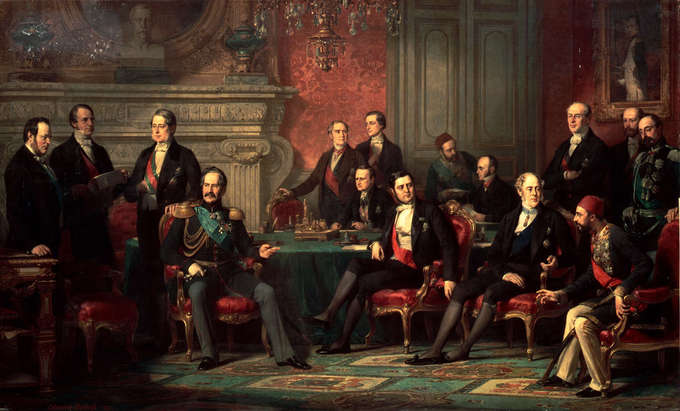
Asher K. Sisneros Dr. Thomas E. Woods, Jr. Western Civilization From 1493 December 2, 2024 The Congress of Vienna was a conference that officially convened following Napoleon’s defeat. The four major European powers at the time—Great Britain, Austria, Prussia, and Russia—led the council, with other smaller European powers participating in…
-
Continue reading →: Rebels and Humanists
There are men among the ranks of the revolutionaries who style themselves as the “sons of Liberty,” fighting for the rights of all Englishmen. Yet liberty from the King is slavery to Congress. Thus I ask the reader, which master will be less tyrannical: the king who sits across an…
-
Continue reading →: The Source of Western Prosperity
Asher K. Sisneros Thomas E. Woods, Jr. Western Civilization From 1493 November 26, 2024 Western civilization experienced a unique level of prosperity compared to the rest of the world, and the Industrial Revolution only widened the gap. Asia took longer to match the West and only caught up through emulation.…
-
 Continue reading →: The Abolition of Slavery
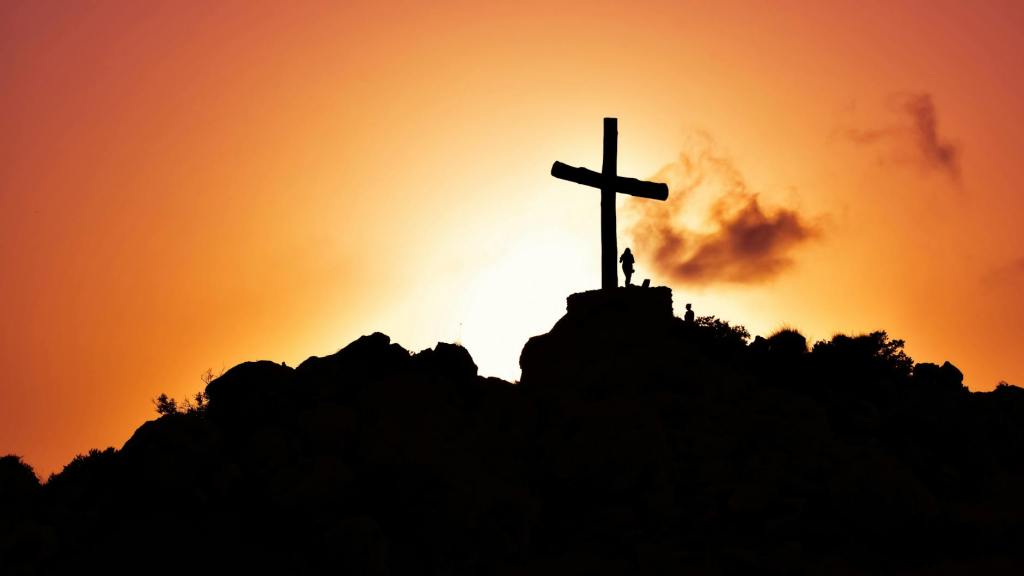
Slavery existed as an institution for thousands of years, but the West made a miracle happen, and one of the world’s oldest institutions was crumbled. But this was only possible because of a change in ideology.
-
 Continue reading →: The Industrial Revolution
A. K. Sisneros Prof. Thomas E. Woods Jr. Western Civilization Since 1493 November 19, 2024 The Industrial Revolution was a momentous period of innovation through the 19th century. Manufacturing processes were refined, and mechanical innovations made harvesting raw materials more efficient. Throughout recorded history, innovation has been linear and incredibly…
Hello,
I’m Asher

I’m a student at Thomas Edison State, finishing up my B.A. in philosophy. I’m also a law school hopeful. You can read my random and infrequent blog posts here, getting a glimpse of the nonsense in my brain.
Let’s connect
Join the fun!
Stay updated with my newsletter.