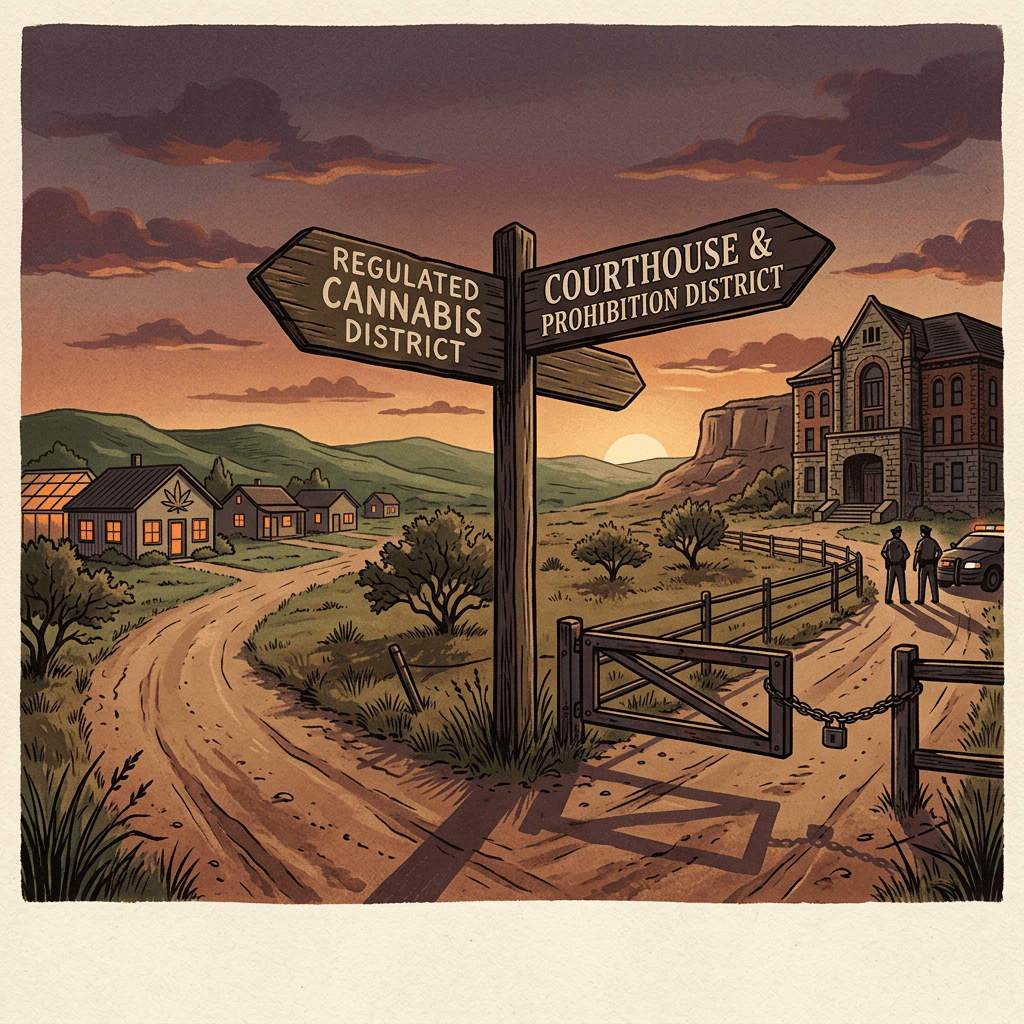
As we study the nature and behavior of cultures and societies, there’s often a disparity between what’s legal and what’s socially acceptable (Conerly et al 2021). For example, cheating on your wife is very scandalous. Your friends will probably judge you. They may even ostracize you. But will the justice system do anything? As far as I know, probably not. Meanwhile, if you drive without a seatbelt on, even if that may be unwise, it’s unlikely to disenfranchise you from the rest of society. It may be illegal, but it’s not that socially unacceptable.
According to conflict theory, this dichotomy between society’s norms and its laws exists because a small group of powerful people use the legal system to oppress the weak. Mills took Karl Marx’s concept of class oppression and broadened it: it is the powerful few, not necessarily the wealthy, who do the oppressing and decide what’s criminal and what’s not (Conerly et al 2021), even if that standard goes against social norms.
That brings me to the issue of marijuana legalization. Even though many of the states have legalized it, it’s still illegal in my home state of Texas. And to be clear, I think the majority of Texans are against legalizing marijuana. At least, that’s my perception anecdotally. But attitudes have shifted. My grandparents’ generation never would’ve dreamed of legalizing marijuana. There was no reason to. To them, only hippies took it. But today, there isn’t a uniform consensus. Both sides have to at least make arguments in order to win the public.
A few years ago, as this shift in social norms started to take place, one Texas state representative named David Simpson argued in favor of legalizing marijuana on biblical grounds (2015). He took a more libertarian view on drugs, even though he was a Republican, and argued that getting high on marijuana is something society should punish informally kind of like getting drunk (or like my previous example about having an affair); but the state shouldn’t regulate it (Simpson 2015).
Despite David Simpson’s argument years ago, and despite the shifting social norms, laws have moved in the opposite direction. For example, Texas recently banned several variants of THC and classified them as schedule I drugs (Ma 2026). So while public sentiment has grown more accepting of marijuana, the laws in Texas have only grown more harsh over marijuana and marijauana-related products. According to conflict theory, this is because laws are created by the will of the powerful, and public sentiment is irrelevant.
References
Conerly, T. R., Holmes, K., & Tamanga, A. L. (2021). Introduction to sociology 3e. Rice University.
Ma, K. (July 30, 2026). Texas has banned several THC products. Find out what is still legal. The Texas Tribune.
Simpson, D. (March 2, 2015). The Christian case for drug law reform. The Texas Tribune.





Leave a Reply