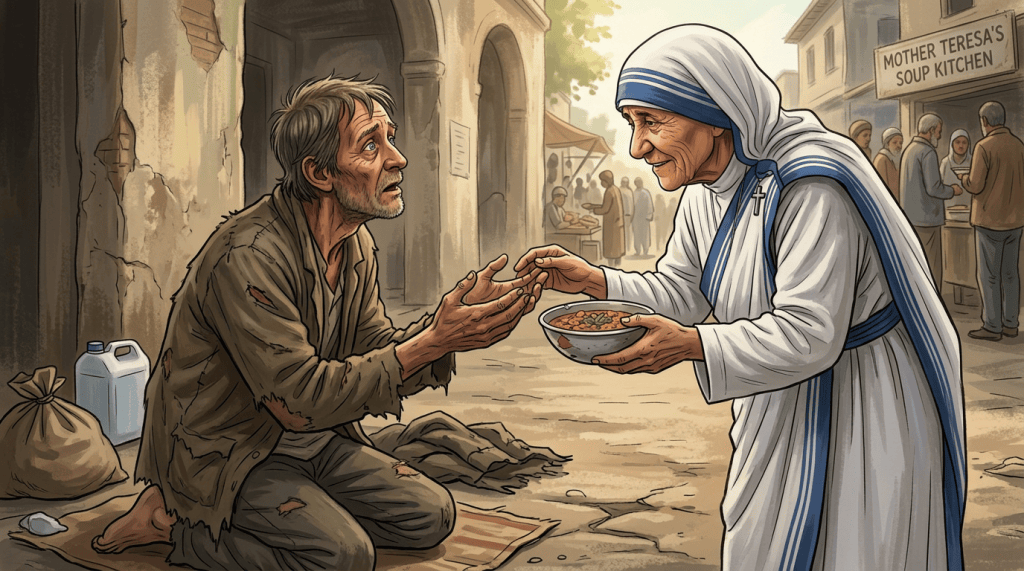
-
Continue reading →: Death of the Republic
After the Struggle of the Orders in Rome—a political push for the plebeian/poor class to receive representation in the republic—Rome reached its political peak. With more equality in government, the city-state focused on military endeavors and conquest. Three wars ensued against Carthage, called the Punic Wars. That city and most…
-
Continue reading →: Struggle of the Orders
There were two classes of people in Ancient Rome. The plebeians were the poor class, consisting of traders, merchants, and artisans. The patricians were the wealthy and powerful, who inherited their status. While many plebeians became wealthy through industrious endeavors, nobody could escape the class they were born in. Classes…
-
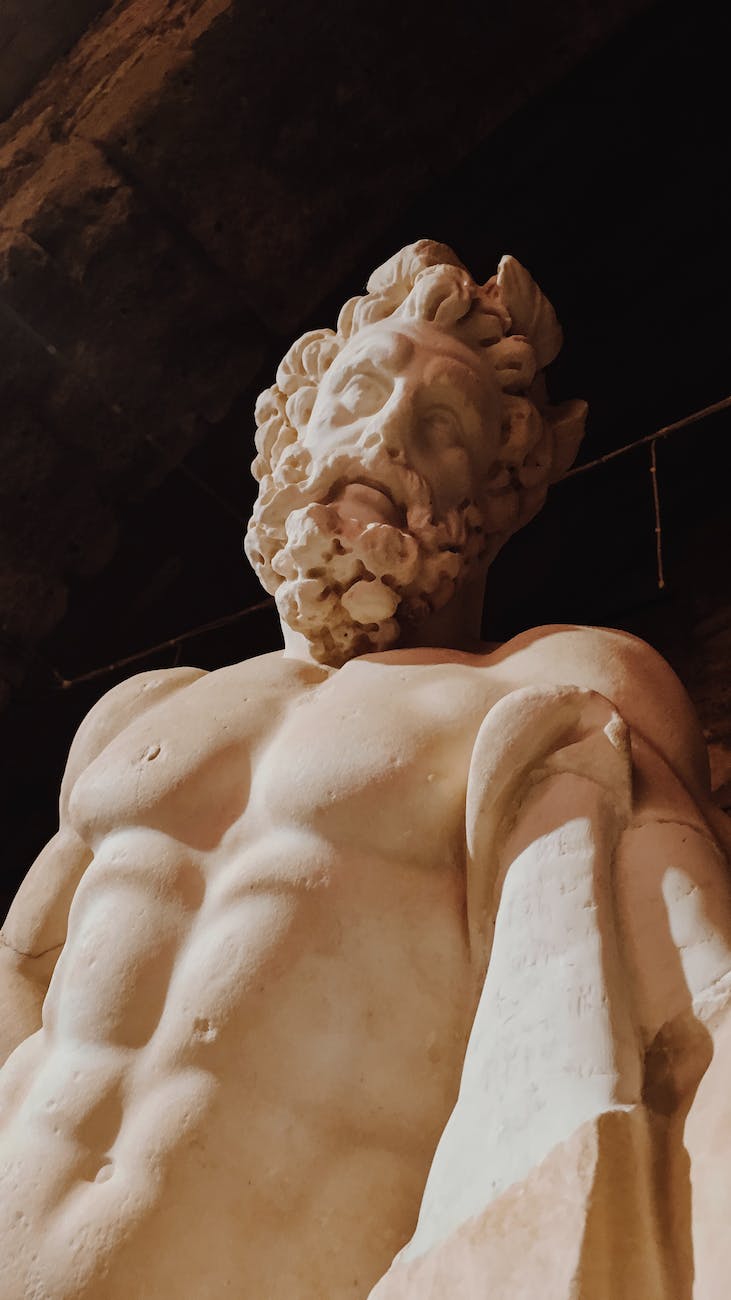 Continue reading →: ‘Works and Days’ and Submission to Zeus
Hesiod’s Works and Days addresses the feuds between the gods, the creation of men, and proper ethics for prosperity. Zeus’ sovereignty over humans is one of the central themes. The deathless gods made the five races of men. Hesiod believed Zeus was sovereign because the gods created the five races…
-
Continue reading →: Epicurus and Epicureanism
Alexander the Great unified all of Greece under his rule, fulfilled his father Philip the 2nd’s visions for an all-Greek war on Persia, and conquered Asia Minor, Egyp, Athens, Troy, Tyre, and many other nations in the process. His campaign solidified Greece as the world’s superpower. The Hellenistic period…
-
Continue reading →: Clashing Liberties: The Rule of Law or of Men?
The classical liberal Benjamin Constant noticed a worrisome confusion over ancient and modern liberty during his life. With a clear understanding of the difference, he used his knowledge to write the infamous essay, The Liberty of the Ancients Compared with That of the Moderns. In its most basic form, everyone…
-
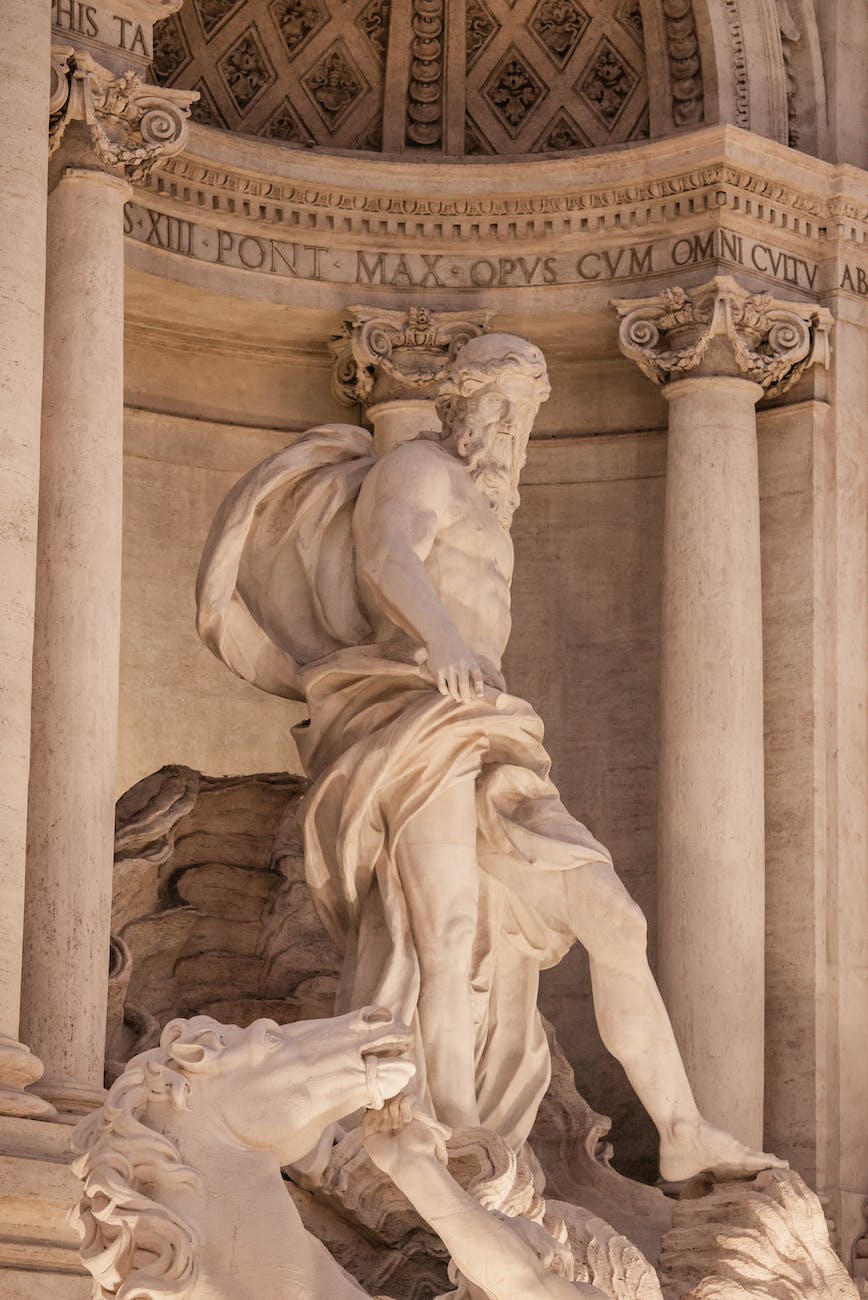 Continue reading →: “Genesis” and “Theogony”
Genesis and Theogony are two stories about the origins of creation. It’s the great Hebrew/Christian origin story clashing with Ancient Greece. An important side note is that the Hebrews were monotheistic and only believed in one God. The Greeks were polytheistic and believed in many gods. Nobody can believe both…
-
Continue reading →: Medea and Sweet Revenge
Euripides’ play, Medea, is one the most fascinating and bizarre stories I’ve ever read. Much of Greek plays followed the “tragedy” format, where everything ends horribly. To its definition, the play ends in tragedy. There is no happy ending or justice, and all the protagonists suffer misfortune. In this essay,…
-
 Continue reading →: The Biblical Rule of Law and Standard of Justice
Today, I completed the Biblical section on Western literature. We covered a lot of material, and I wrote five essays on Biblical literature. They covered the Garden of Eden, Noah, the flood, the tower of Babel, the sanctions in Psalms, and all Proverbs. Those pieces of literature provide a…
-
Continue reading →: Peloponnesian War
After Greece defeated the Persian army at Salamis, it wasn’t kumbaya. A house divided cannot stand, but Greece divided anyway. Time passed, and the two dominant city-states—Sparta and Athens—developed independent leagues. They were coalitions between allies. Sparta and its allies made the Peloponnesian League, while Athens and its allies…
-
Continue reading →: Prelude to War—An Essay on the Persian Wars
If history has taught us anything, “Too big to fail” doesn’t exist. Every empire seems to crumble. Does it matter how powerful they are? No. Persia dominated the world once. Like all the empires before and after them, their influence faded into darkness, and another empire took their…
Hello,
I’m Asher

I’m a student at Thomas Edison State, finishing up my B.A. in philosophy. I’m also a law school hopeful. You can read my random and infrequent blog posts here, getting a glimpse of the nonsense in my brain.
Let’s connect
Join the fun!
Stay updated with my newsletter.