-
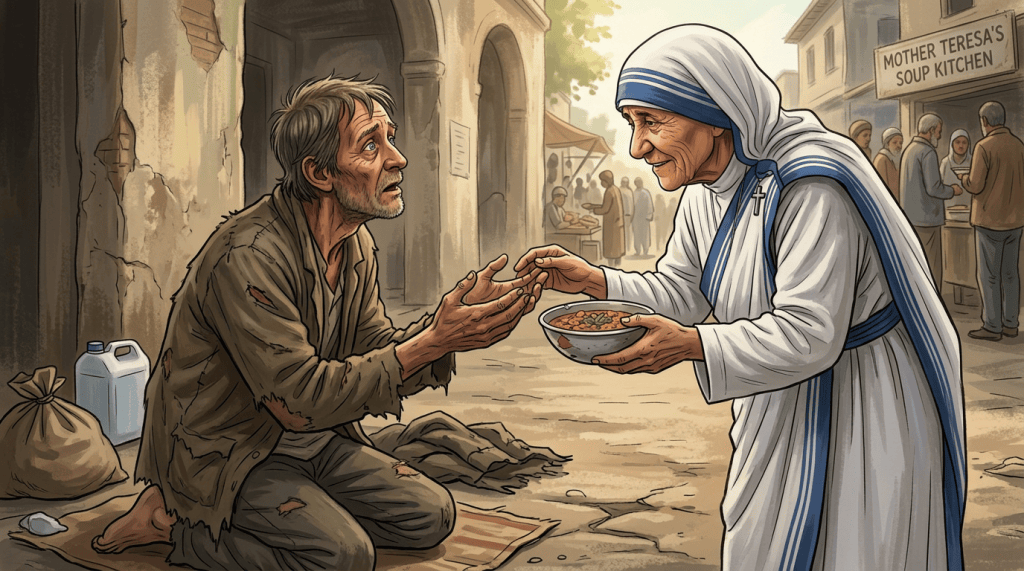
Continue reading →: The Female Feud Over Your Soul—Proverbs Essay
Proverbs is the most well-known of the three pieces of wisdom literature—Job, Proverbs, and Ecclesiastes. Over time, Proverbs became synonymous with wisdom. The book contrasts wisdom and foolishness. Solomon addresses the positive attributes that wise people have and the negative attributes of their foolish counterparts. Overall, he makes the case…
-
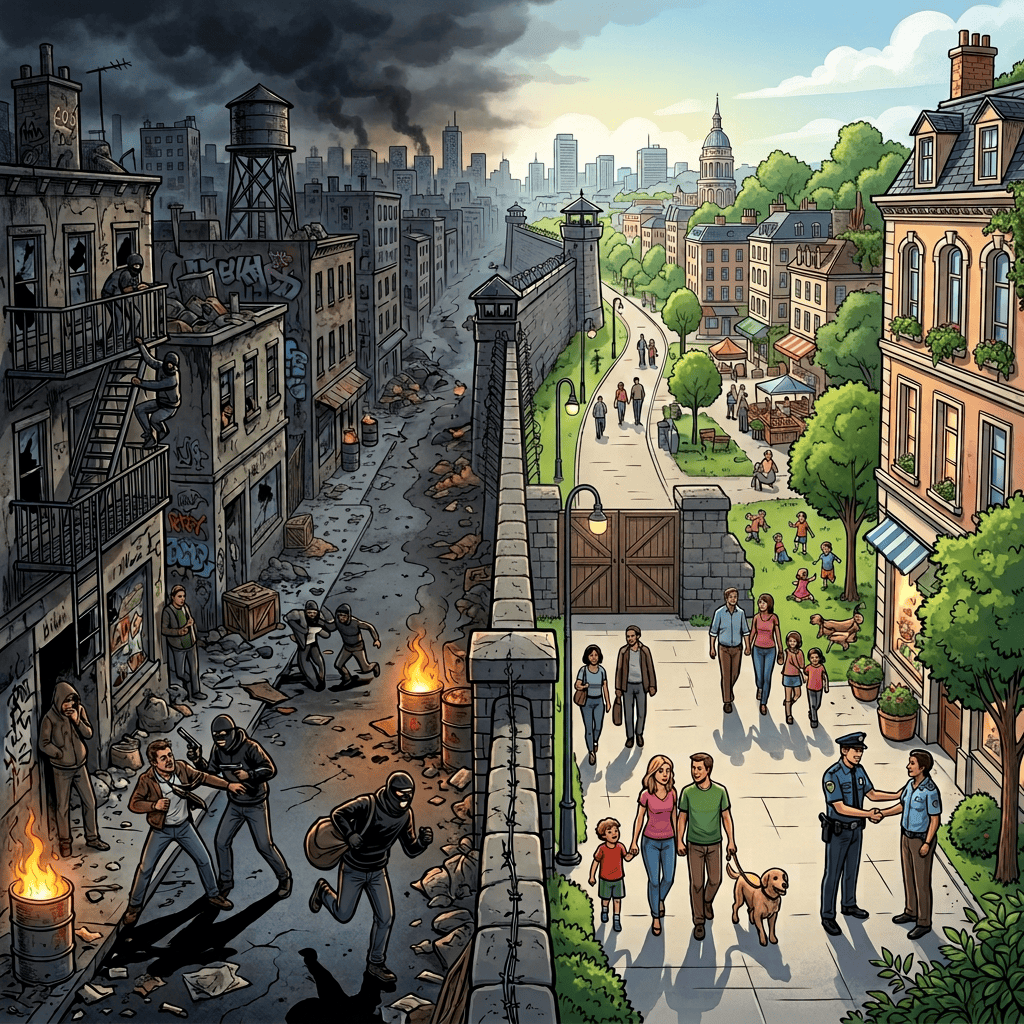
Continue reading →: The Middle Class and Common Sense; How to Avoid Governmental Plunder
Aristotle was Plato’s young prodigy and became a philosopher in his own right. His most infamous pupil was Alexander the Great, but his impact superseded Alexander. We credit Aristotle for multiple advances in science, meteorology, philosophy, and political/government theory. This essay will dissect that last topic—Aristotle’s three types of government,…
-
Continue reading →: Western Civilization: Sparta
Modern culture praises the Spartans for their courage. Hollywood films such as 300 made the city-state synonymous with liberty. This history essay is about the Spartan way of life and government. Sparta was one of Greece’s most influential city-states, alongside Athens. The Dorians invaded the geographical land of Sparta in…
-
Continue reading →: Psalms and Eternal Gratification
Data proves that future-minded people are success magnets. It’s far more beneficial to focus on the long-term, in the long-term. In other words, delayed gratification and emphasis on the future usually pay off. Stanford’s marshmallow experiment—where they offered children one marshmallow immediately or two in fifteen minutes—proved that. The study…
-
Continue reading →: Western Civilization Essay: Plato’s Cave Allegory
What is Plato’s cave allegory? It is one of Plato’s many dialogues. Similar to his others, he uses that fictional conversation between Socrates and Glaucon to prove a point. This essay will explore that specific discussion and what Plato’s point was. In the dialogue, Plato uses his character Socrates (based…
-
Continue reading →: The Sophists and Their Great Adversary
In Ancient Greece, Socrates and the Sophists were in opposition, and their feud was recorded in the history books. Socrates was one of the philosophers to lay the groundwork for rebuttals against the Sophists. His anti-Sophist work was influential for Western Civilization. In this article, I will briefly explain who…
-
 Continue reading →: Analysis of Psalms: What Distinguishes ‘Righteous’ from ‘Wicked’?
The Book of Psalms is a sizeable library of prayers and songs, but they all follow a few basic themes, such as fearing God, praising His goodness, and the wicked man’s destruction. Right at the beginning of the book, Psalm 2 introduces the concept of rebellious men rejecting God’s law.…
-
 Continue reading →: Ancient Greek History: Rationalism, the Building Block of pre-Socratic Philosophy
What was the pre-Socratic philosophy, and why is it relevant? That’s the topic of this essay. The pre-Socratic philosophy developed in ancient Greece. The pre-Socratic philosophers had a train of thought that was more evidence-driven than their predecessors. Historically, Greek mythologies explained everything. Religion was the basis for everything. While…
-
Continue reading →: History Essay: Were Cyclopes a Civilization?
Homer is a Greek literary icon. His two most renowned works are The Iliad and The Oddysey. The Oddysey is about a man named Odysseus. He spends multiple years traveling back home from the Trojan War. He and his Achean (Greek) comrades have many adventures on their excursion home. Book…
-
Continue reading →: Hector
The Iliad is a book by Homer. It paints the narrative of a war between the Trojans and the Acheans (Greeks). It’s considered fiction, but some historians, like Heinrich Schliemann, believe there was a Trojan War. In The Illiad, Book 6, the Trojans rallied against the murderous Acheans. The topic of…
Hello,
I’m Asher

I’m a student at Thomas Edison State, finishing up my B.A. in philosophy. I’m also a law school hopeful. You can read my random and infrequent blog posts here, getting a glimpse of the nonsense in my brain.
Let’s connect
Join the fun!
Stay updated with my newsletter.