-
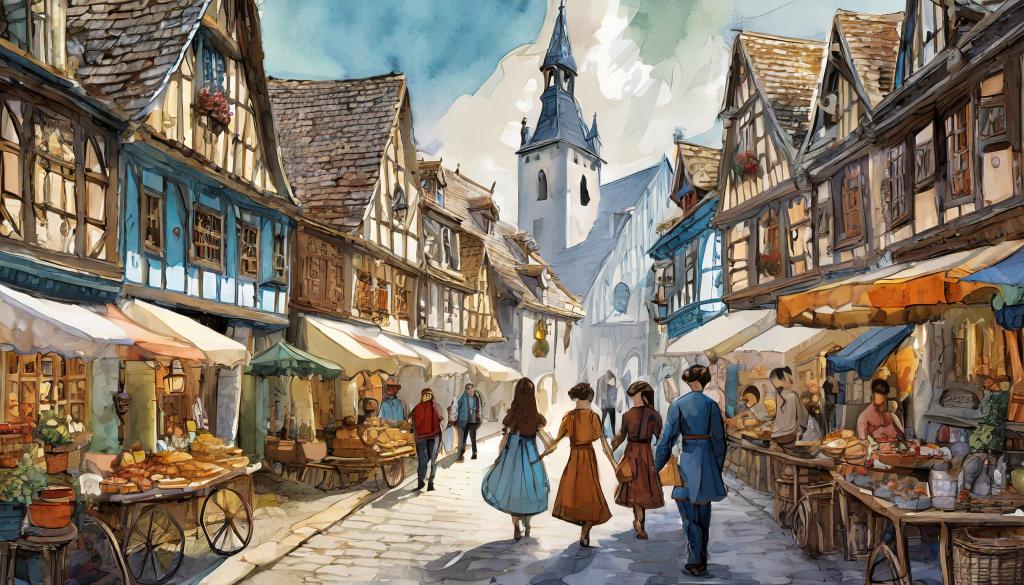 Continue reading →: The Rise of Medieval Towns
The rise of medieval towns started during the 13th century. The specific origins of the town concept are an obscure mystery lost in history. Some speculate that they evolved from fortifications built during the Viking invasions. However, it is uncertain whether that is true. What is certain is that they…
-
 Continue reading →: Song of Roland: Military Objectives
The Song of Roland is a Frankish military poem written during the Middle Ages. It follows Charlemagne’s conquest of Islamic Spain. However, there was a gross betrayal within the Christian military ranks right as he approached victory. Counts Roland and Oliver were treacherously attacked following a peace deal between King…
-
Continue reading →: Aquinas’ Impossible Proof—Duns Scotus (1265-1308) and William of Ockham (1288-1347)
John Duns Scotus (1265-1308) and William of Ockham (1288-1347) were scholastics whose opinions shattered the framework set by earlier scholastics. They were both nominalist Franciscan Englishmen who taught theology at Oxford and attacked various principles that Thomas Aquinas taught. Their attacks caused people to question Aquinas’ teachings for a time.…
-
 Continue reading →: Just War Tradition Principles
The just war tradition was largely a creation of the medieval Christian Church. Various other cultures like the Greeks, Egyptians, and Romans made contributions. However, the concept was not elaborated on in detail before the great theologians like St. Augustine of Hippo and St. Thomas Aquinas. Their respective works made…
-
 Continue reading →: Thomas Aquinas on the Unmoved Mover
Saint Thomas Aquinas developed numerous theological works during his life and advanced scholasticism, an academic movement to synthesize worldly reasoning and biblical faith. Today, he is most remembered for his Quinque Viae (the five ways). In his book Summa Cuma Gentiles, Aquinas made five logical proofs for the existence of…
-
 Continue reading →: Early Medieval Literature on Christian Political Involvement
The Christian literature from the early Middle Ages ranges from the accounts of the martyrs, Justin Martyr’s First Apology, St. Augustine’s City of God, and various hymns. By examining those writings, an astute reader can deduce what the Church believed regarding various topics. There were some differences of opinion. For…
-
Continue reading →: Life of Thomas Aquinas (c. 1225-1274)
Saint Thomas Aquinas (c. 1225-1274) was a Dominican scholastic who lived during the Middle Ages. He is most remembered for his philosophical works, and some consider him the greatest and most influential medieval philosopher. Two of his most remembered works are Summa Theologica and Summa Cuma Gentiles. In Summa Cuma…
-
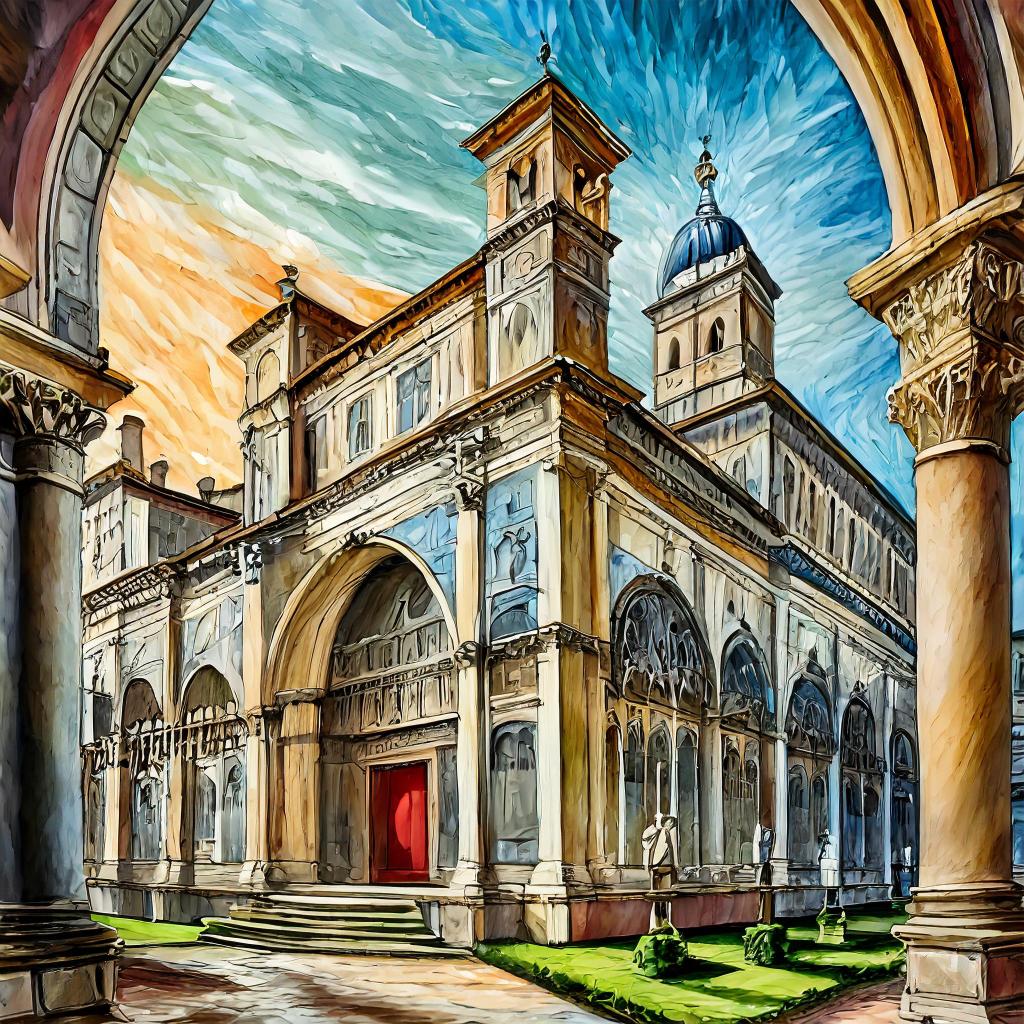 Continue reading →: Medieval Universities
Medieval universities developed during the 12th-century Renaissance. The specific origins of many of the universities are vague, at best. A lot of them evolved from the cathedral schools Charlemagne developed during the Carolingian Renaissance and monastic schools. During the 8th and 9th centuries, there was a tremendous need for clergy.…
-
Continue reading →: The 12th-century Renaissance
The 12th-century Renaissance was one of the multiple renaissances during the Middle Ages. It followed the Carolingian Renaissance which developed theological writings, historical manuscripts, and the cathedral schools; but it preceded the 15th-century Renaissance. Compared to its 15th-century counterpart which focused on literature, the 12th-century Renaissance focused on philosophy and…
-
Continue reading →: The Mendicant Orders
Two of the most prominent 13th-century mendicant orders were the Franciscans and the Dominicans. They lived pious lives as traveling evangelicals. Poor Europeans were in dire need of hearing the Gospel, but a sense of exclusivity developed between the two classes. The mendicant orders developed to preach the Gospel to…
Hello,
I’m Asher

I’m a student at Thomas Edison State, finishing up my B.A. in philosophy. I’m also a law school hopeful. You can read my random and infrequent blog posts here, getting a glimpse of the nonsense in my brain.
Let’s connect
Join the fun!
Stay updated with my newsletter.